
Understanding the psychological triggers behind gambling behavior
The allure of risk and reward
The relationship between risk and reward is a fundamental aspect of gambling that captures the attention of many individuals. The thrill of potentially winning a substantial amount can be irresistible, often overshadowing the reality of losses. This dynamic activates the brain’s reward system, releasing dopamine, a neurotransmitter linked to pleasure and motivation. When a player wins, the brain receives a surge of satisfaction, reinforcing the desire to continue gambling. To learn more about the best options available, you can go to site for more insights.
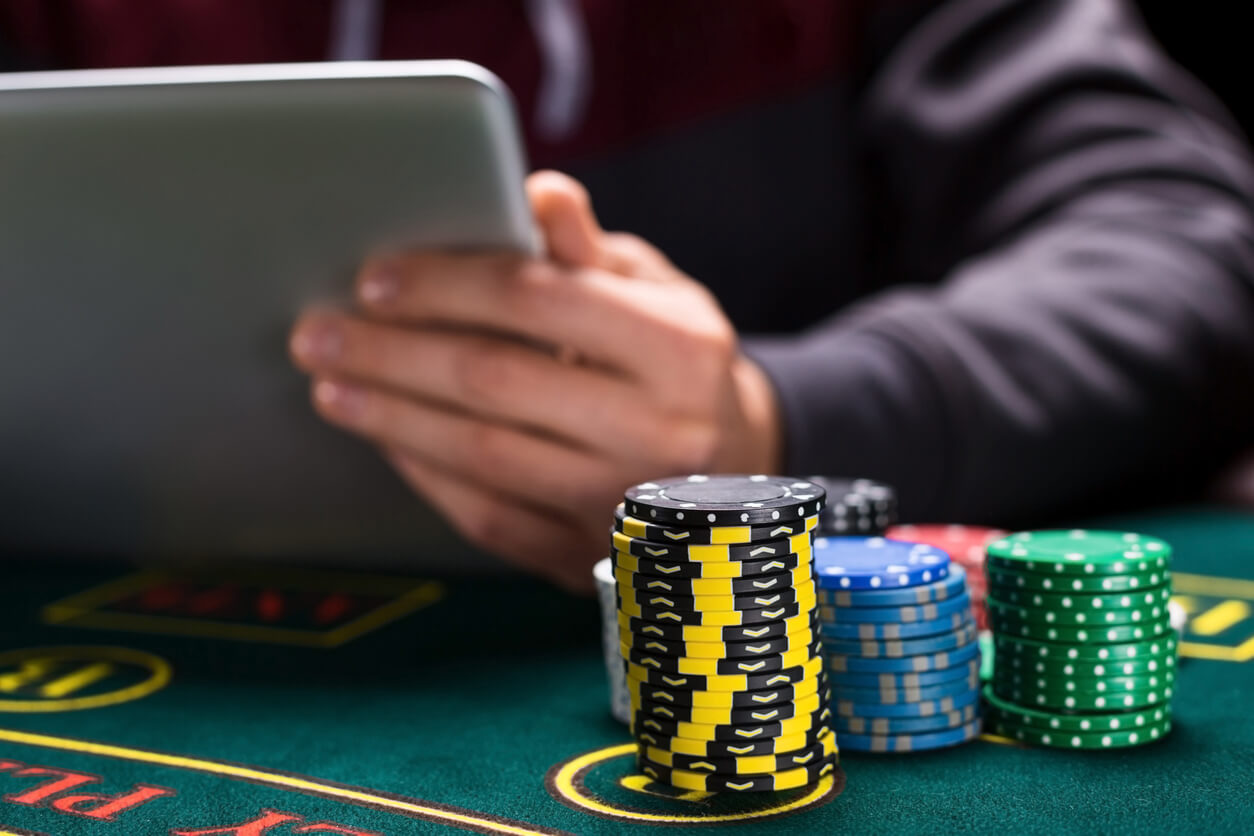
This psychological phenomenon can lead individuals to chase losses, hoping to recoup their investments. The perceived connection between risk-taking and reward can make gambling feel like an exciting adventure, blurring the lines between enjoyment and compulsion. Understanding this allure is crucial for recognizing why many find themselves drawn into the world of gambling.
The role of cognitive biases
Cognitive biases significantly influence gambling behavior, often leading individuals to make irrational decisions. One common bias is the illusion of control, where players believe they can influence outcomes in games of chance. This misconception can lead them to place more bets, convinced that their actions will sway the results in their favor.
Another prevalent cognitive bias is the gambler’s fallacy, where individuals mistakenly believe that past events affect future probabilities. For example, a player may assume that a particular number is “due” to win after a series of losses. Recognizing these biases can help individuals understand their decision-making processes and the psychological traps they may fall into while gambling.
The impact of social influences
Social factors play a significant role in shaping gambling behavior. The environment in which an individual is exposed to gambling can either promote or hinder their gambling activities. Peer pressure, social circles, and cultural attitudes towards gambling can significantly influence one’s propensity to gamble. For example, individuals surrounded by friends who frequently engage in gambling may feel compelled to participate to fit in.
Moreover, online gambling platforms and social media can amplify these influences, creating a culture that normalizes gambling as a leisure activity. As these social dynamics evolve, they can either foster responsible gambling habits or contribute to compulsive behaviors. Understanding these influences is essential for promoting awareness and developing healthier gambling practices.
Emotional triggers and gambling
Emotions are powerful motivators that can drive individuals toward gambling, often as a coping mechanism for stress, anxiety, or depression. Many people turn to gambling as a means of escape, seeking a distraction from their problems. The excitement of gambling can temporarily alleviate negative emotions, reinforcing the behavior as a way to cope with life’s challenges.
Furthermore, the emotional highs and lows associated with gambling can create a rollercoaster effect, where the thrill of winning and the despair of losing produce strong emotional responses. This emotional engagement can lead to addictive behaviors, making it challenging for individuals to disengage from gambling, even when faced with negative consequences.

Promoting responsible gambling practices
Recognizing the psychological triggers behind gambling behavior is crucial for promoting responsible gambling practices. Awareness and education about the risks and rewards of gambling can help individuals make informed decisions. Resources that highlight the importance of setting limits, understanding odds, and identifying cognitive biases can empower players to engage in gambling more responsibly.
Furthermore, dedicated platforms are available to provide insights and support for individuals struggling with gambling addiction. By prioritizing safety and transparency, these resources aim to create a safer gambling environment, ultimately helping players to enjoy their experience while minimizing risks. Understanding the psychological triggers behind gambling behavior is the first step towards fostering a healthier relationship with gambling.